2026 QSR Webinar Series
Preventing Workplace Violence
in Quick Service Restaurants
Reduce incidents, protect staff, and strengthen operational response
For Restaurant HR, Operations, AP/LP, Risk, and Finance leaders
What You’ll Take Away
-
Understand the real operational and financial impact of workplace conflict
-
Identify the patterns and behaviors that lead to incidents
-
Learn practical approaches for strengthening frontline response
-
See how training, policy, and operations must work together
-
Explore strategies organizations use to improve preparedness
-
Gain direct insight from the experts behind member training programs
Upcoming 2026 Sessions
Join live for interactive discussion, or access the on-demand recording afterward.

Thursday August 20, 2pm ET
(Past)
Keep Control When Customers Escalate: Practical De-Escalation for Restaurant Teams
When someone raises their voice at you, it’s natural to feel challenged. You may think, If I don’t respond the same way, I’m letting them disrespect me. Many of us have grown up hearing messages like, “Don’t let someone talk to you like that,” making escalation feel justified—even necessary.
This session challenges that mindset. You’ll learn why choosing not to respond in kind is one of the strongest decisions you can make. Staying calm keeps you in control, protects your dignity, and helps prevent situations from escalating into safety incidents, customer complaints, or damage to your organization’s reputation.
View Full Session Details
When a customer raises their voice, many employees experience it as disrespect — not just noise. The pressure to “stand your ground” is real, and for many people it’s been reinforced for years: Don’t let anyone talk to you like that. The problem is that yelling back usually isn’t strength — it’s loss of control. It escalates risk, narrows options, and turns a manageable moment into an incident.
This webinar flips the script. De-escalation is not giving in. It’s choosing control.
Through realistic scenarios and proven response language, we’ll show how employees can:
-
Recognize the internal trigger (“I’m being disrespected”) before it drives behavior
-
Use calm boundary-setting that maintains authority and dignity
-
Avoid emotional contagion without feeling like they “lost”
-
De-escalate safely — and disengage when needed
-
Protect the brand voice while protecting themselves
We’ll also connect the behavior shift to real outcomes: fewer injuries, fewer complaints, fewer social-media blowups, and reduced turnover — because employees feel safer and more confident handling conflict.
Who Should Attend
- Asset Protection / Loss Prevention
- HR & Training
- Operations & Store/Restaurant Leadership
- Corporate Security & Risk
- Finance leaders tracking injuries, claims, churn, and brand impact
Thursday September 17, 2pm ET
(Past)
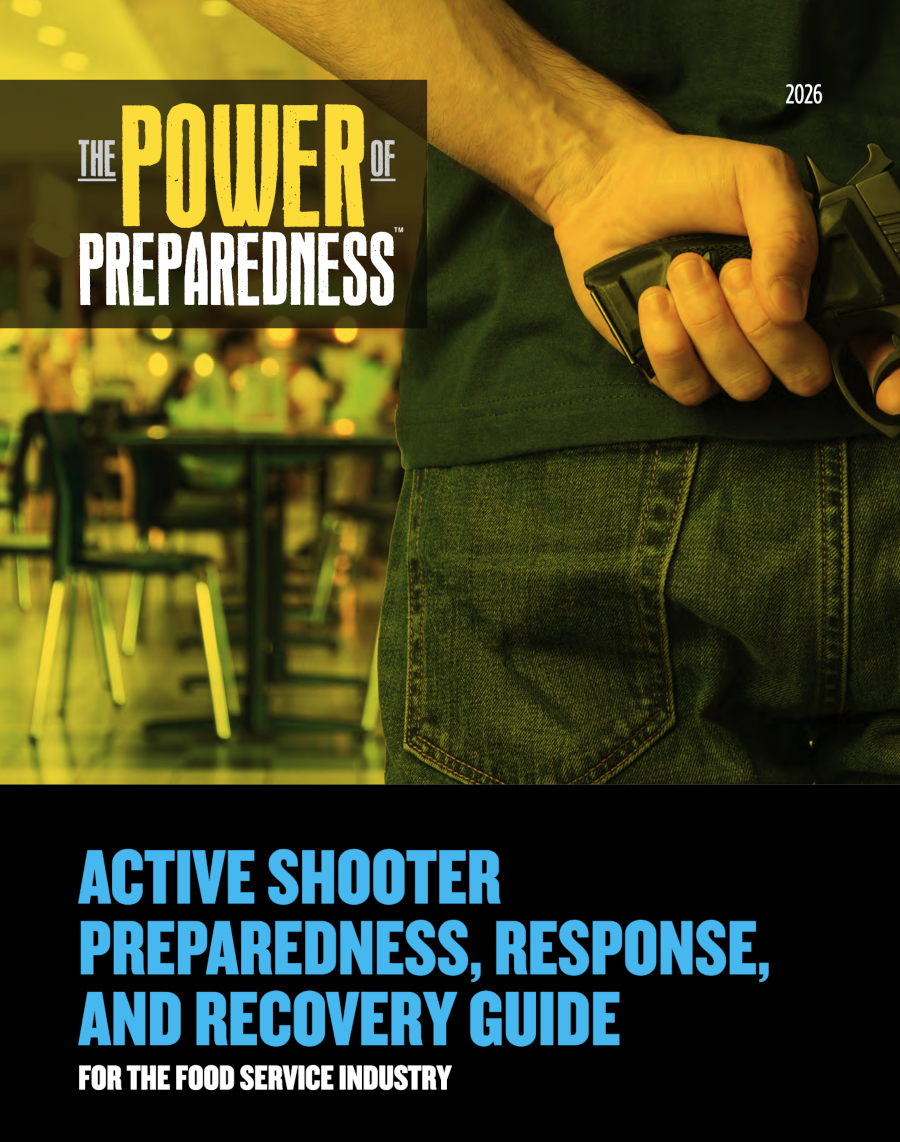
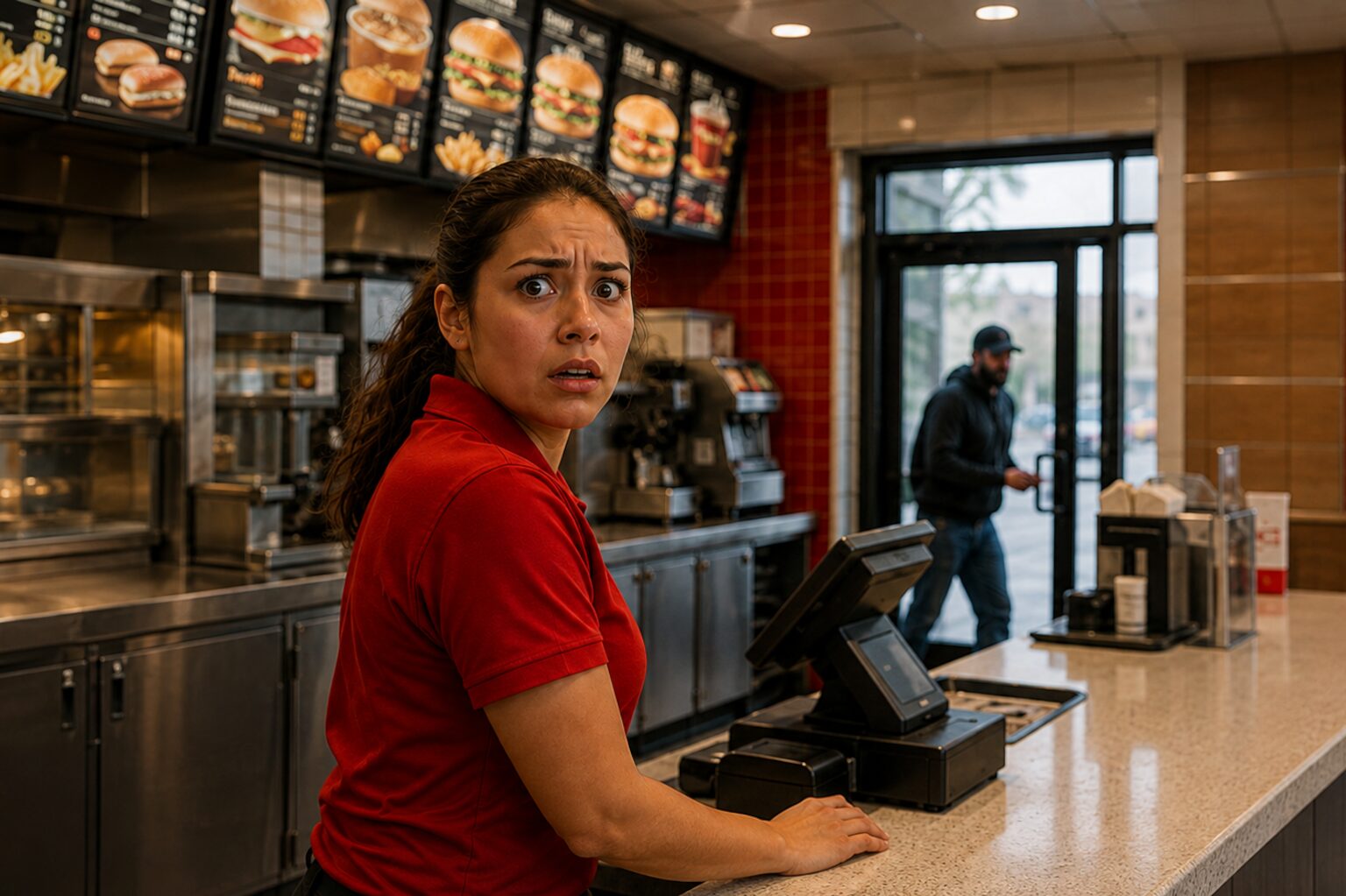
When Seconds Matter: Preparing QSR Teams for an Active Shooter/Assailant
Active shooter incidents have steadily increased since 2000, posing serious risks to employees, customers, finances, and brand reputation. This panel will explore practical strategies for preparing for and responding to an active assailant attack, including the importance of a strong emergency operations plan.
Industry enforcement professionals will also discuss scalable frontline training and how to ensure critical skills are retained when they are needed most. Designed for leaders in loss prevention, operations, security, risk, HR, training, legal, and compliance.
View Full Session Details
Our panel of industry professionals will share best practices for managing an active assailant attack, mitigating the consequences, and the value of having an emergency operations plan. We’ll also discuss how to deliver scalable training to any-size frontline team and how to make the skills and knowledge stick when it’s needed the most.
Who should attend:
Asset Protection/Loss Prevention leaders, Operations and Store Leadership, Corporate Security and Risk, HR and Training teams, and in-house Legal or Compliance partners who support customer-facing locations.